Heptachlor
Heptachlor
| EPA Maximum Contaminant Level (MCL) | 0.0004 mg/L |
| EPA Maximum Contaminant Level Goal (MCLG) | Zero |
Heptachlor epoxide
| EPA Maximum Contaminant Level (MCL) | 0.0002 mg/L |
| EPA Maximum Contaminant Level Goal (MCLG) | Zero |
Effects
- Liver Problems
- Possible Carcinogen
- Toxic
Treatment
- Activated Carbon
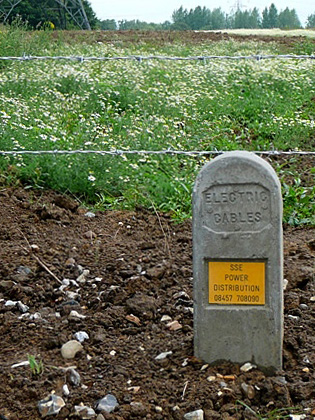
Heptachlor is an organic chemical used as a pesticide for controlling of ants, termites and other insects. Since 1978, its use has remained highly restricted in the United States to fire ant control in buried electronics like cable boxes and underground transformers.
Heptachlor arrives in drinking water through banned pesticide use, some industrial waste water, and through sediment that has adsobed heptachlor epoxide, an environemental breakdown of heptachlor that may persist in soil for many years.
Health Effects of Heptachlor
Acute heptachlor poisoning can lead to several central nervous system effects. According to the World Health Organization, it causes symptoms of “irritability, salivation, labored respiration, muscle tremors [and] convulsions,” though they report that it “does not appear to be carcinogenic in humans” . Still, the EPA considers it a potential carcinogen and warns of liver damage associated with long term exposure:
Some people who drink water containing heptachlor well in excess of the maximum contaminant level [0.0004 milligrams per Liter] for many years could experience liver damage and may have an increased risk of getting cancer.
Water Treatment for Heptachlor
The EPA recommends granular activated carbon (GAC) for the treatment of heptachlor.

Site Index
Filtration Systems
- Aeration for Iron & Sulfide
- Backwashing Filters
(whole house & well units)
- Chlorine & Chemical Injectors
- Countertop Water Filters
- Garden Hose Filters
- Reverse Osmosis, Residential
- Reverse Osmosis, Commercial
- Shower Filters
- Specialty Filters
- Ultraviolet Systems
- Undersink Filters
- Water Softeners
- Whole House Filters
Cartridges
Parts
- Replacement Parts
- Faucets
- Filter Media
- Fittings
- Housings
- O-rings
- Pura UV
- R.O. Parts
- R.O. Tanks
- R.O. Booster Pump
- VIQUA UV