Vinyl Chloride
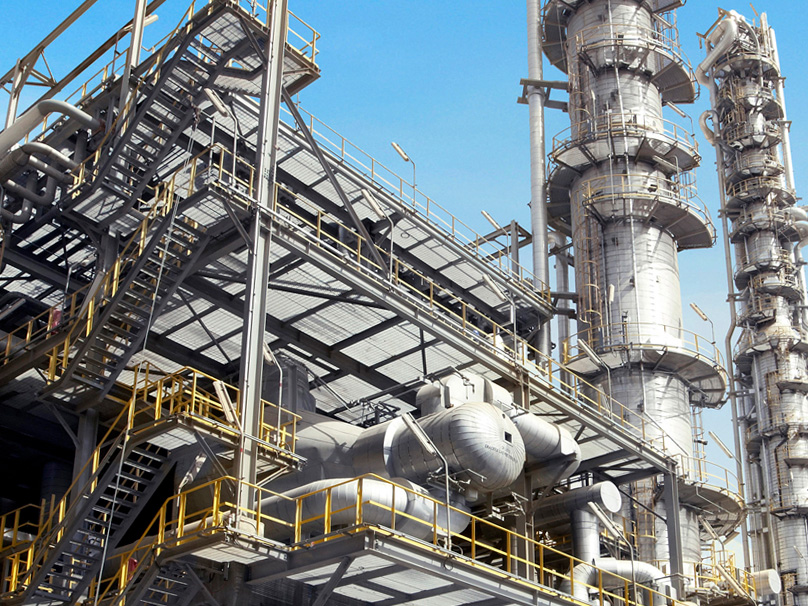
Vinyl Chloride
| EPA Maximum Contaminant Level (MCL) | 0.002 mg/L |
| EPA Maximum Contaminant Level Goal (MCLG) | Zero |
Effects
- Carcinogen
- Toxic
Treatment
- Air Stripping
- Activated Carbon
- Distillation
- Reverse Osmosis
Vinyl chloride is a colorless organic gas with a sweet odor, used in product manufacturing — especially in the manufacture of polyvinyl chloride (PVC) — and heavily depended upon by the rubber, paper, and glass industries.
Before the 1970s, the PVC used in packaging materials sometimes resulted in the vinyl chloide contamination of many consumer products. Now, it is most commonly found in well water, having seeped into groundwater as the result of manufacturing emissions or spills.
Health Effects of Vinyl Chloride
Vinyl chloride is highly toxic to the central nervous system. “Vinyl chloride illness,” reported by workers exposed to high volumes of vinyl chloride, induces symptoms of headache, dizziness and unclear vision.
It is also a known human carcinogen. According to the EPA:
Some people who drink water containing vinyl chloride in excess of the MCL (0.002 mg/L) over many years may have an increased risk of cancer.
Water Treatment for Vinyl Chloride
Vinyl chloride can be treated with granular activated carbon combined with reverse osmosis, some distillation methods, and air stripping. The EPA recommends packed tower aeration (an air stripping method.) Lenntech reports that activated carbon has a “moderate probability” of removing vinyl chloride on its own.

Site Index
Filtration Systems
- Aeration for Iron & Sulfide
- Backwashing Filters
(whole house & well units)
- Chlorine & Chemical Injectors
- Countertop Water Filters
- Garden Hose Filters
- Reverse Osmosis, Residential
- Reverse Osmosis, Commercial
- Shower Filters
- Specialty Filters
- Ultraviolet Systems
- Undersink Filters
- Water Softeners
- Whole House Filters
Cartridges
Parts
- Replacement Parts
- Faucets
- Filter Media
- Fittings
- Housings
- O-rings
- Pura UV
- R.O. Parts
- R.O. Tanks
- R.O. Booster Pump
- VIQUA UV